Lawn Mowing Addiscombe — Recycling and Sustainability
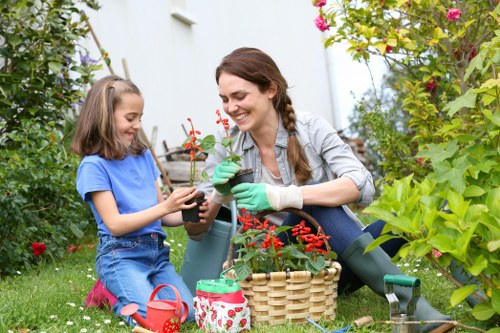 Lawn Mowing Addiscombe is committed to delivering high-quality lawn-care in Addiscombe while championing an eco-conscious approach to green waste and urban garden rubbish. Our sustainable rubbish gardening area policies focus on reducing landfill, increasing re-use, and supporting the borough's waste separation systems. We aim to set a new standard for local mowing services in Addiscombe by embedding circular practices across every job.
Our environmental target is clear: achieve a 70% diversion and recycling rate for all green and garden waste handled by the company by 2028, with a nearer-term 50% target by the end of next year. These figures relate to composting, chipping, reuse and proper delivery to authorised transfer points. The target is ambitious but realistic for a neighbourhood-focused operator dedicated to long-term sustainability.
 We work with the London Borough of Croydon’s waste separation approach — where householders separate dry recycling, organic waste, and residual rubbish — and we align our collection and sorting at source to match that local system. By separating grass, soil, woody material and mixed garden refuse on-site we reduce cross-contamination and make more material recyclable or suitable for local composting initiatives.
To manage and process material responsibly we make regular runs to local transfer stations and depots that serve Croydon and South London. We use licensed local transfer stations and authorised materials recovery facilities to ensure full regulatory compliance and traceability. Examples include borough transfer depots and nearby South London MRFs that accept segregated garden waste and bulking green waste for composting or anaerobic digestion.
Partnerships with charities and community projects
We maintain active partnerships with Croydon-based charities and community groups to keep usable material in circulation rather than sending it to landfill. These alliances include community allotments, local environmental charities, and social projects that accept:
- Compost and mulch for community gardens
- Reusable turf and soil for rehabilitating green spaces
- Safe vegetation turned into habitat piles for biodiversity projects

How our on-site separation works
When delivering mowing services in Addiscombe we set up a simple triage for garden waste at properties: clippings, woody branches, and mixed debris are placed into separate containers or bags. This makes it easier to route each stream to the most appropriate recycling or reuse route — compost heaps, wood chipping for mulch, or transfer stations for further processing.We also offer guidance to residents about small-scale composting and the benefits of leaving grass clippings on the lawn where appropriate (grasscycling). Leaving fine clippings can return nutrients and reduce the need for chemical fertilizers. Our team will advise when clippings should be collected because of thatch or disease.
Our sustainable rubbish gardening area work is not only about diverting waste: it’s about lowering the carbon footprint of every job. That means less vehicle mileage, smarter routing, and better material handling to reduce repeat trips and energy use.
 Low-carbon vans and fleet strategy We have invested in a mixed low-emission fleet to serve Addiscombe and surrounding neighbourhoods. Our vehicles include electric vans for short urban runs and plug-in hybrid or Euro 6 low-emission vans for longer or heavier jobs. Using electric vehicles for local rounds reduces tailpipe emissions and noise, supporting a cleaner local environment.
We schedule jobs using route-optimisation software to minimise mileage, idling and fuel consumption. Strong maintenance practices keep vans running efficiently, and we prioritise carbon-neutral fuel options where electric charging infrastructure is not available on-site.
 What residents can expect: when you choose Addiscombe lawn-care or mowing services in Addiscombe from us you get transparent waste management. We provide clear notes on what was removed, how it was segregated, and the likely destination (local transfer station, charity reuse, or composting facility). This transparency helps neighbours make informed choices about weekly garden waste and seasonal clearances.
Beyond collections we actively support local environmental initiatives by donating processed mulch and compost to community planting days and neighbourhood green projects. These small acts keep organic matter circulating local soils, support biodiversity, and reduce the need for commercially manufactured soil conditioners.
Measurements and reporting are central to our approach. We track tonnage diverted, percentage recycled, vehicle emissions and number of charity partnerships. Quarterly summaries inform continuous improvement so our Lawn Mowing Addiscombe sustainability programme stays accountable and evolves with borough-level waste policy and community needs.
By combining careful on-site separation, strategic use of local transfer stations, charity partnerships, and an increasingly low-carbon van fleet, our Lawn Mowing in Addiscombe service balances excellent turf care with a rigorous commitment to sustainability. We keep green waste out of landfill, support local groups, and help the borough meet its recycling ambitions.
We welcome collaboration with fellow residents, community allotments and local groups to expand reuse streams for garden materials. Our aim is to make eco-friendly waste disposal the norm for all garden and lawn work in Addiscombe, one sustainable job at a time.
Adopting practical, replicable practices in the local mowing sector supports healthier soils, reduces emissions, and creates resources for the community. Whether you request regular lawn care or a one-off garden clearance, the sustainable disposal of greenery remains at the core of our service.
Join us in making Addiscombe greener by choosing green-minded mowing services, supporting community composting, and encouraging local authorities to expand transfer and recycling capacity. Together we can raise recycling rates, reduce carbon and preserve green spaces for future generations.